Sustainable investing is gaining serious momentum, with more people than ever seeking ways to grow their money while making a real difference in the world. Low-Cost High-Yield ETFs are grabbing attention among sustainability enthusiasts who are determined to balance financial returns with eco-friendly values. If you’re new to this scene, there’s a lot to get into—so here’s my super detailed take on what these ETFs are, how they work, and how you can pick out the right ones for your own plans.
Disclaimer: This article contains affiliate links. If you open an account through these links, I may earn a commission at no additional cost to you. Investing involves risk, including the possible loss of capital. eToro is not available in all countries. Eligibility depends on your region. Always consider your individual circumstances before investing.
What Are Low-Cost High-Yield ETFs?
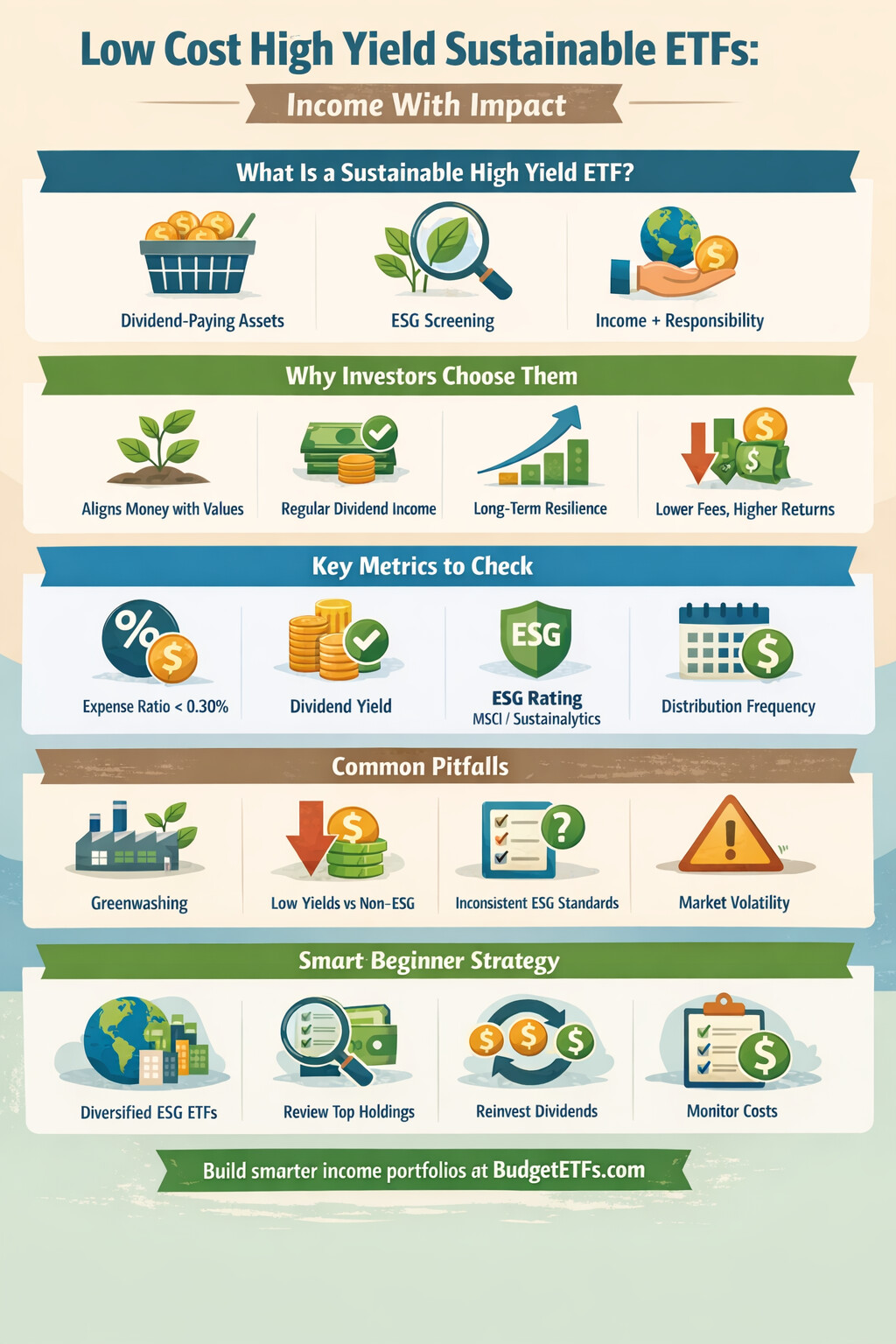
An ETF (exchange-traded fund) is similar to a basket of stocks, bonds, or other assets that you can buy or sell just like you would with regular stock. A low-cost ETF keeps its fees nice and minimal, so you hold onto more of your earnings. A high-yield ETF tries to give back more income, usually by investing in dividends, interest payments, or other income-generating assets. When you add sustainability into the mix, you get funds that carefully choose holdings based on environmental, social, and governance (ESG) factors while aiming to pump up returns.
Wondering why some investors are keen on these funds? Check out this article on investor preferences for low-cost high-yield ETFs for more context.
How ETFs Work for Sustainable Investing
Sustainable ETFs typically use an ESG strategy, which basically means shares in the fund either pass or fail a set of standards—like carbon footprint, using resources efficiently, or how employees are treated. Low-cost, high-yield sustainable ETFs aim to find companies that pay out strong dividends or consistent income and also meet the fund’s sustainability requirements.
Some funds put more weight on the “E” in ESG, focusing on environmental factors, while others also factor in things like social justice or ethical labor. I always suggest checking out the fund’s documentation and holdings to see if its values really line up with yours before jumping in.
Why Sustainability Enthusiasts Are Turning To High-Yield ETFs
Traditional investing used to only care about returns. Now, sustainable investors want their money to do good, aiming for more than just profit. Low-cost, high-yield ETFs offer several big advantages:
- Matches Your Values: You can support companies making real improvements for people and the planet.
- Long-term Potential: Responsible companies are built to last and have a better shot at steady growth.
- Steady Income: High-yield ETFs rely on dividends or interest to give you regular payouts.
Keeping costs low really matters—a small expense percentage can cost you thousands over time. Low-cost funds help save on fees, so you get to keep more of your gains. Curious about how fees affect results? Check out this comparison of today’s cheapest and most popular ETFs.
Key Terms To Know Before Picking An ETF
Some basics worth knowing:
- Expense Ratio: This is what you pay yearly to own the fund, shown as a percent. Lower is better—it means less money out of your pocket.
- Dividend Yield: Shows how much income you might expect in a year, based on the fund’s current price.
- ESG Criteria: These are the rules funds use to judge if a company is “sustainable” enough for the lineup.
- Distribution Frequency: How often you’ll get paid—monthly, quarterly, or yearly.
Platforms like eToro and TradingView are handy for comparing ETFs and keeping an eye on your portfolio’s progress toward sustainability milestones.
Building A Beginner Sustainable ETF Portfolio
Jumping into sustainable ETFs is less complicated than it might look. When I started, I realized it’s usually easier to stick with diversified, broad-based funds. These typically cover a wide range of companies that rate highly on environmental and social criteria and still deliver dividends.
- Start with Diversity: Pick an ETF that includes multiple sectors but screens out the biggest polluters or ethically troubled businesses.
- Review The Holdings: Take a close look at the fund’s top 10 holdings (these are always shown on the provider’s website) to make sure you’re cool with where your cash is headed.
- Monitor the Fees: Keep the expense ratio as low as possible for your risk comfort zone and investing style.
Some of my favorite platforms make it easy to research and buy ETFs, which is great for beginners. Many also let you try out virtual portfolios, so you can experiment risk-free before putting down real money.
The Role of Dividends in Sustainable High-Yield ETFs
Dividends are cash bonuses that companies pay out to their shareholders regularly. A high-yield ETF focuses on businesses that have a consistent record of distributing these profits. When you pair this approach with sustainability goals, you might end up backing clean energy leaders, green technology innovators, or banks with well-regarded social records—each known for their strong dividend payouts. This strategy helps you grow wealth and push for greener, more ethical business standards around the globe.
For a look at some funds getting creative with yields, check out these innovative approaches to high-yield ETFs.
Potential Challenges To Watch Out For
No investing method is challenge-free. Here are some common catches when it comes to sustainable high-yield ETFs:
- Lower Yields Than Unsustainable Competing Funds: Strict ESG screens can boot out some of the highest payers, sometimes lowering overall income compared to conventional high-yield ETFs.
- Greenwashing: A few funds give themselves the eco-friendly label without real action. Always dig into the actual ESG ratings and check third-party reviews.
- Market Risk: Even sustainable businesses can get hit when the whole market drops. Diversified exposure helps soften these blows.
- Inconsistent ESG Standards: ESG definitions change from fund to fund. What’s “sustainable” at one company could look pretty different elsewhere.
Expense Ratios and Keeping Costs Down
Keep an eye on those fees. Even a small difference in the annual expense ratio can turn into a big gap over the years—this can add up to hundreds or even thousands lost, money that could have grown in your account. Not many investors realize the impact these small numbers make. Look for funds charging less than 0.30% when possible for the best results.
Real ESG Ratings and Transparency
Strong ESG data matters a lot. I usually lean on respected sources like MSCI or Sustainalytics to see if a fund is actually making an impact. The best fund providers list all their holdings in detail right on their websites—if you don’t see that level of transparency, move on and find another option that puts it out there every step of the way.
Advanced Tips and Tricks For Maximizing Your Impact
If you’ve already built your base and want to get more out of your sustainable high-yield ETF adventure, consider these tactics:
Mix in Other Fund Types: Try balancing sustainable high yield ETFs with growth-oriented ETFs or some bonds to mix things up.
Auto Reinvest Your Dividends: Many modern brokerages let you plow dividends back in automatically. This lets your nest egg grow through compounding—and it’s extra easy once set.
Get Involved with Proxy Voting: Some funds let you—yes, you!—help vote on major company decisions. It’s one more way you can give a boost to better business practices. Check the details before buying, because not all ETFs include shareholder voting options.
Keep Track of Results: Use tools like TradingView to see how your investments are performing and measure your impact in one place.
Where To Learn More And Start Investing
Low-cost high yield sustainable ETFs are available on most big global trading platforms. Be sure to compare funds for fees, yield, and ESG standards before making a choice. Personally, I prefer providers with a strong transparency track record—think iShares, Vanguard, or State Street—and I like spending extra time comparing on sites like eToro.
A little more time spent researching can pay big dividends. New to all this? Stumble upon this guide reviewing the most popular low-cost ETFs for a side-by-side look, including lots of sustainable picks.
Frequently Asked Questions
Do sustainable ETFs actually change anything?
Holding sustainable ETFs increases demand for eco-friendly companies and pushes the market to make better choices. Every step—no matter how small—adds up when lots of people join the movement.
Are high-yield sustainable ETFs risky?
They share risks with regular ETFs, plus a few unique ones (like new ESG rules or smaller yields if major industries are excluded). Keeping your holdings diversified helps balance them out.
What fees should I expect?
Most low-cost ETFs have expense ratios under 0.30%, and some go even lower. Double-check each fund, since every little bit saved can boost your final returns in a big way.
What’s the best platform for a beginner?
Top online brokers like eToro and TradingView make it simple to get started. They offer live charts, straightforward research, and beginner-friendly guides.
Making Sustainable Investing Work for You
Low cost high yield ETFs are a simple way to connect your money to both your financial targets and sustainable values in a single investment. With some steady research and a focus on the long term, these funds let you build wealth, get regular income, and help push for a brighter, greener future. Whether you’re aiming for retirement or just want your savings to stretch further, there’s a sustainable ETF with your name on it.
Investing isn’t only about hunting profits; it’s about nudging the world toward something better. Careful fund selection and ongoing learning mean your portfolio can boost both your bottom line and your beliefs.
Time to roll. Check popular ETF listings and compare sustainable investing options on eToro or build a watch list over at TradingView. For more details on standout funds, inspiration, and next-level cool guides, visit BudgetETFs.