Getting the most out of your money is always important when it comes to investing, and high yield ETFs have gotten a lot of buzz for that reason. These funds aim to deliver income, typically through dividend-paying stocks, bonds, or a combination of both—all in one package that you can trade just like a normal stock. With new strategies emerging each year, I’ve noticed some notable developments in how these funds operate, their focus, and the ways they are managed. Let’s break down some of the latest forward-thinking trends and inventive ideas in high-yield ETFs right now.
Disclaimer: This article contains affiliate links. If you open an account through these links, I may earn a commission at no additional cost to you. Investing involves risk, including the possible loss of capital. eToro is not available in all countries. Eligibility depends on your region. Always consider your individual circumstances before investing.
What Makes High-Yield ETFs Stand Out?
High-yield ETFs have made it much easier for everyday investors to get income. Rather than buying individual dividend-paying stocks or bonds, you can pick up a whole chunk of an income-paying market in one shot. Over the last decade, these funds have exploded in both quantity and creativity. In the early days, ETFs stuck to the basics—grab a bunch of dividend stocks and call it done. Now, there are funds using volatility screens, options trading, and even ESG or technology themes. Some of these strategies are genuinely clever and quite next-level cool.
Why do these ETFs appeal to so many? You get access to a set of income-producing assets, instant diversification, and the simplicity of trading them just like individual stocks. It’s a smart move for anyone wanting a consistent income without the hassle of picking individual investments, constructing bond ladders, or exposing themselves to one unpredictable sector. If you’re searching for high-yield, low-cost options and want to compare returns, check out this guide on average returns for low-cost high-yield ETFs.
Fresh Strategies in High-Yield ETF Design
ETF providers are always on the hunt for new ideas to give their funds an edge. Here are some exciting angles that are growing in popularity and deserve attention:
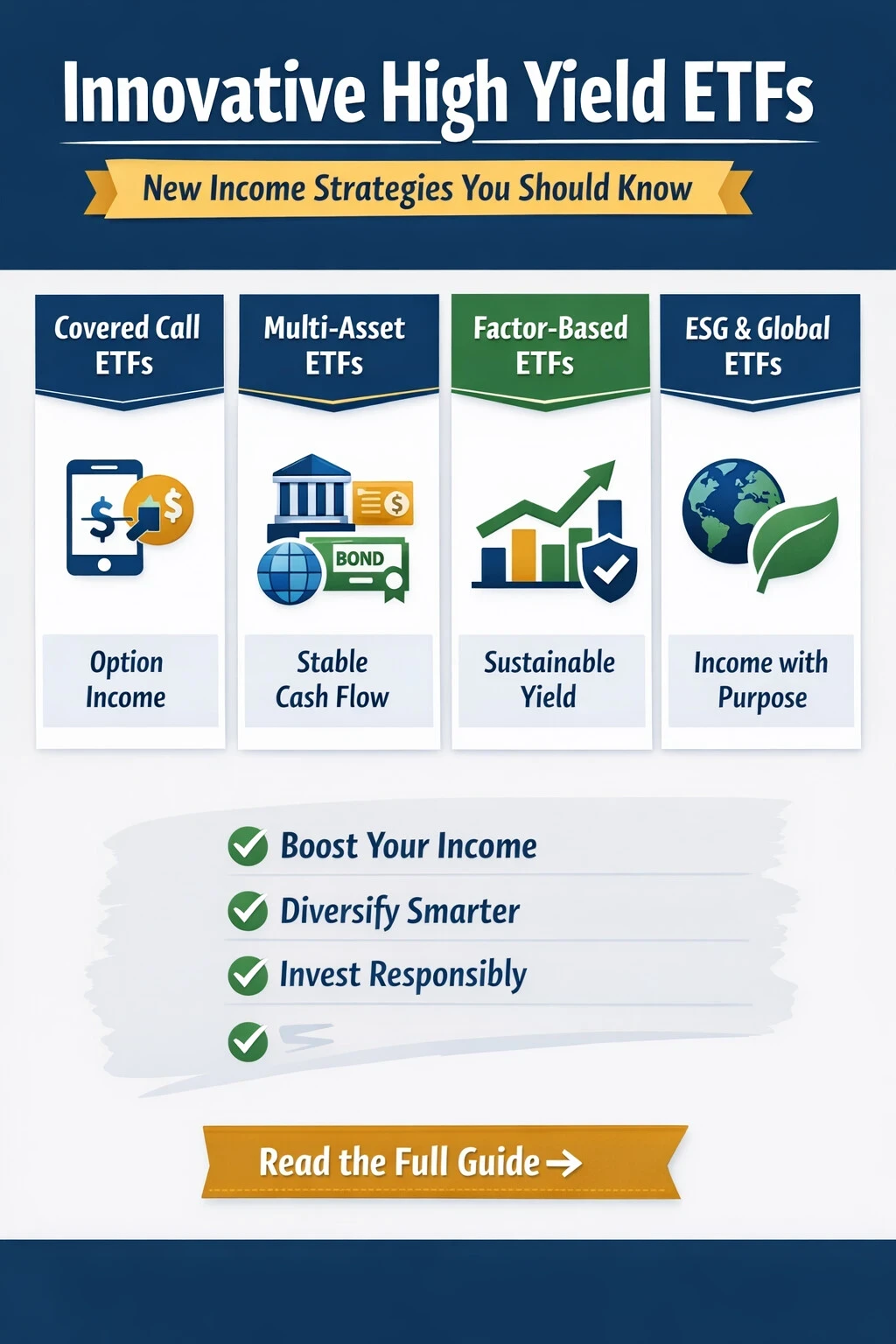
- Covered Call ETFs: These funds create extra income by selling call options on their holdings. That lets you collect both dividends and options premiums, although you might miss out on big stock surges. Some covered call ETFs use large indexes such as the S&P 500 or NASDAQ, while others take a global perspective.
- Multi-Asset Yield ETFs: These ETFs mix various assets like corporate bonds, preferred stocks, foreign securities, and sometimes REITs (real estate investment trusts), all to squeeze out a bigger yield. When one slice of the market isn’t pulling its weight, another often picks up the slack, resulting in a steadier stream of income overall.
- Factor-Based High Yield Strategies: Some funds now use algorithms to sort through companies based on factors such as consistent dividends, solid balance sheets, or lower volatility. The goal is to sidestep “yield traps” where high payouts are likely to be cut. These ETFs concentrate on companies capable of paying dividends over the long term, even if the yield is slightly less than those with more risk.
- Thematic and ESG Yield ETFs: Investors are increasingly mixing social and environmental values with income investing. ESG-oriented and thematic sector ETFs, like those focused on energy infrastructure or green bonds, let you pursue regular income while being mindful of responsibility.
- Global and Emerging Market High Yield ETFs: Beyond the US, you can now find funds designed to collect higher yields from Europe, Asia, and developing countries. The trade-off? More risk, but also the chance at a wider range of income sources.
Getting Started With Innovative High-Yield ETFs
If you’re just starting with high-yield ETFs or want to revamp your income approach, take a look at some essentials before getting into the more creative offerings. Every fund comes with unique risks, structural quirks, fees, and tax factors.
- Yield Isn’t Everything: Chasing unusually high yields can backfire; firms under stress may raise payouts to lure investors. Check the holdings and their track record. For a foundation, this article on ETFs versus stocks for yield can help you get a sense of the basics.
- Expense Ratios: Even tiny fees add up. I always look for funds with low expenses—especially since innovative strategies sometimes come with higher costs.
- Liquidity: Niche ETFs can be thinly traded, which can make buying or selling trickier. Larger funds generally make these problems go away.
- Tax Treatment: Certain funds (especially those using options) have special tax rules when it comes to their distributions. If you’re unsure about what applies to you, check in with your tax advisor to avoid surprises.
If comparing funds feels too overwhelming, try platforms like TradingView charts or managed investment tools like eToro to streamline your research and execution.
Quick Guide: Steps for Sifting Through High-Yield ETF Options
Sifting through dozens—or even hundreds—of ETFs might be daunting, but here’s a simple process to help you zero in on the right fit:
- Set Your Income Goal: Know your target yield and see how that lines up with your risk level and bigger-picture goals.
- Check the Holdings: Go through what’s inside; whether it’s stocks, bonds, certain sectors, regions, or even twists like leverage or options.
- Evaluate the Structure: The way an ETF is built, such as open-ended versus closed-end funds or even ETNs, affects your liquidity and risk.
- Review Track Records: Newer, more creative funds might lack a long history. In that case, check how similar funds have performed to get a sense of what to expect.
- Watch the Fees: Little jumps in expenses can make a real dent in your yield over time.
Data-rich platforms like TradingView let you compare fund data, yields, and more. Need more choices? Browse this list on where to track down low-cost, high-yield ETFs as a starting point.
Common Hurdles and How To Tackle Them
Even the most experienced ETF fanatics bump into obstacles. Here’s a handful of challenges I’ve faced (and what you can do about them):
- Yield Chasing: Jumping on the highest yield can turn into trouble if those companies or bonds collapse. Looking for sustainable yield in factor-based or multiasset ETFs is a safer approach.
- Interest Rate Sensitivity: ETFs that lean heavily on bonds or REITs can get whacked when interest rates go up. Consider mixing in sectors or using “low duration” or “floating rate” ETFs to ease the blow.
- Illiquidity: Smaller, niche ETFs may sound attractive, but trading them can be costly. Sticking to larger, well-known funds keeps your costs in check.
- Changing Strategies: ETF issuers sometimes switch up investment objectives, shaking things up for investors. Reviewing updates every quarter keeps you in the loop and avoids unpleasant surprises.
Real-World Example: The Covered Call Craze
One super popular trend right now is boosting yield using covered calls. For example, covered call ETFs tracking indexes like the S&P 500 have seen a flood of investor interest. A friend of mine switched from a broad high-dividend ETF to a covered call fund and enjoyed a noticeable boost in monthly payouts, but his overall returns trailed when markets shot up. These funds are great for income, but don’t expect them to keep up with a roaring market.
Factor-Based and Multi-Asset Solutions
Fund managers are now mixing quality screens (to filter out weak companies), volatility controls, and a blend of different asset types to provide smoother returns without giving up on yield. Some of the newest funds even rebalance automatically to avoid over-concentration, which helps manage risk as markets change.
Staying Ahead with Data and Tools
If you want to be on top of the latest ETF launches and keep tabs on their yields, using tools like TradingView or regularly checking ETF providers’ websites can give you the inside scoop. These platforms usually provide interactive charts, sector breakdowns, and historical yield stats so you can make quicker, better choices.
FAQ: Innovative High-Yield ETFs
Q: How risky are some of these innovative yield ETFs?
There’s always some risk, especially with strategies targeting emerging markets or covered calls. Balancing your portfolio and getting a good look at a fund’s contents can help you ride out any rough patches.
Q: Can high-yield ETFs fit in a retirement portfolio?
A lot of retirees count on these funds for a reliable income. The trick is to pick funds with a strong history of steady payouts and reasonable fees so those retirement dollars stretch further.
Q: Are there taxes on the yield from these ETFs?
Most of the time, yes. The taxes owed depend on the fund’s mix of investments: dividends, bond interest, or even income from options may all have separate tax rules. Before you buy in, check with a tax advisor to see how it could affect you.
High-yield ETFs are changing fast, serving up creative new takes on tried-and-true income strategies. Whether you want traditional dividends, international income, or prefer options-based payouts, today’s market has something for everyone. Doing a bit of homework, comparing approaches, and using trusted research platforms can help build a dependable and varied income stream. Good luck hunting for your next innovative ETF!